Water is essential for all life on Earth, and Mother Nature has developed incredible ways to keep it clean and safe. Natural filtration processes ensure that water cycles through the environment, removing contaminants and replenishing ecosystems. Here’s how nature works as an expert water filter.
1) Soil Filtration
When rainwater falls to the ground, it seeps through layers of soil, sand, and rock. This process, known as percolation, helps remove impurities such as sediments, bacteria, and heavy metals. The finer the soil particles, the better they act as a natural sieve, trapping harmful substances while allowing clean water to pass through.
2) Wetlands and Marshes
Wetlands are often called nature’s kidneys because they absorb pollutants and purify water. As water moves slowly through marshes and swamps, plants and microorganisms break down organic matter, absorb excess nutrients, and trap sediments. This natural process helps improve water quality before it enters rivers, lakes, or groundwater reserves.
3) Forests and Vegetation
Forests play a crucial role in water filtration. Trees and plants capture rainwater, reducing surface runoff and preventing erosion. Their root systems hold soil in place, preventing excess sediments from entering water bodies. Additionally, forests help regulate the water cycle by capturing and slowly releasing purified water into streams and underground reservoirs.
4) Rivers and Streams
As water flows over rocks and pebbles in rivers and streams, a natural cleansing process occurs. The movement of water helps oxygenate it, breaking down pollutants and allowing beneficial bacteria to thrive. These microorganisms consume harmful organic compounds, improving overall water quality.
5) Aquifers and Underground Water Systems
Deep underground, aquifers act as giant natural water filters. As water travels through layers of rock and gravel, impurities are removed, leaving behind clean and mineral-rich water. This underground filtration process takes years, ensuring that groundwater remains one of the purest sources of drinking water on the planet.
6) Sunlight and Evaporation
The sun plays a key role in nature’s water filtration through the process of evaporation. When water from lakes, rivers, and oceans evaporates, it leaves impurities and pollutants behind. The resulting water vapor forms clouds and eventually falls back to Earth as fresh, clean precipitation, continuing the natural cycle.
Protecting Nature’s Water Filtration System
While Mother Nature has powerful filtration methods, human activities such as pollution, deforestation, and industrial waste threaten these processes. Protecting wetlands, reducing plastic waste, and supporting sustainable water management practices can help preserve Earth’s natural ability to filter and maintain clean water.
By understanding how nature purifies water, we can appreciate the delicate balance of our ecosystems and take action to protect our most precious resource. The more we work with nature, the better we can ensure clean water for generations to come.
How Natural Filtration Differs From Home Water Filtration
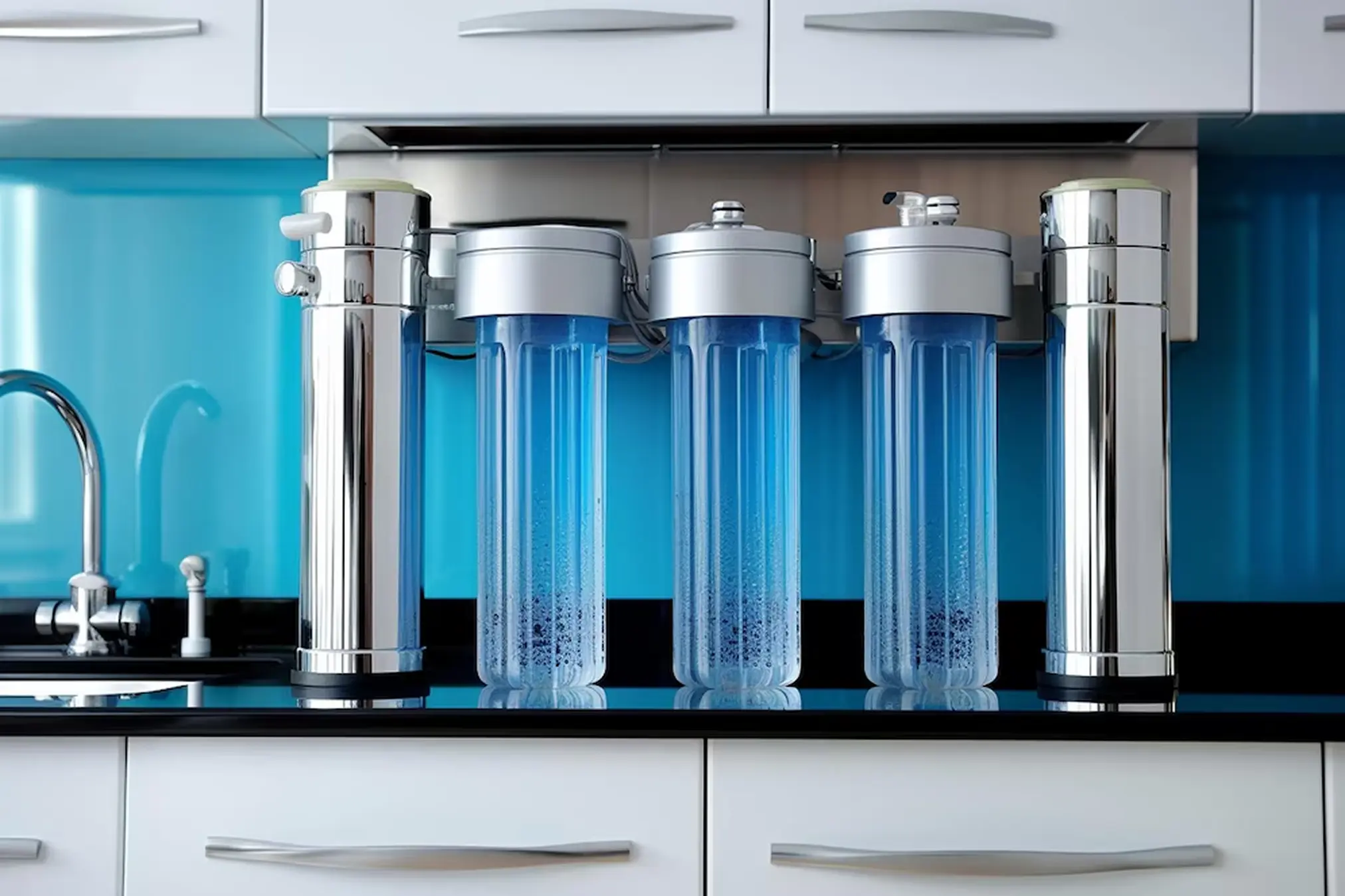
Natural filtration takes place gradually as water moves through soil, vegetation, rock, and other parts of the environment. While these processes can improve water quality, they are not designed to address every contaminant that may be present in modern water supplies. Household filtration provides an additional layer of treatment at the point where water is used.
Modern water filtration systems can be selected according to specific water-quality concerns. Depending on the system, filtration may help reduce certain sediments, chemicals, minerals, and other unwanted substances. This makes it important to understand what is present in the water before choosing a treatment method.
Why Natural Water Filtration Takes Time
One of the most interesting aspects of nature’s filtration process is how much time it can require. Rainwater may travel through multiple layers of soil and rock before reaching an underground water source. During this journey, different natural materials interact with the water and can trap or reduce certain impurities.
The effectiveness of this process depends on several conditions:
Soil composition: Different soil types have different filtering capabilities.
Rock layers: Gravel, sand, and other geological materials influence how water moves underground.
Water movement: Faster-moving water may have less contact time with natural filtering materials.
Vegetation: Plants can help reduce runoff and capture certain nutrients and sediments.
Environmental conditions: Pollution and changes in land use can affect natural filtration.
These factors show why protecting natural environments is an important part of maintaining healthy water resources.
The Importance of Protecting Water Sources
Natural filtration systems can be damaged when pollutants enter waterways faster than ecosystems can process them. Chemicals, excessive nutrients, sediment, and waste can affect rivers, wetlands, forests, and groundwater systems. Once these natural resources are disturbed, restoring their ability to support clean water can take considerable time
Simple environmental practices can make a difference. Reducing unnecessary waste, protecting vegetation, preventing pollutants from entering storm drains, and supporting responsible land and water management can help preserve natural filtration processes.
Bringing Additional Filtration Into the Home
Although nature provides an important first line of water filtration, homeowners may want additional treatment for the water entering their property. A properly selected filtration system can complement the natural water cycle by providing treatment closer to where water is consumed.
Before installing a system, homeowners should consider their water source, existing treatment, household water usage, and the contaminants they want to address. Regular filter replacement and proper maintenance are also important for keeping the system operating as intended.
Understanding both natural and household filtration gives homeowners a clearer picture of how water can be treated from its original source to the kitchen tap. Protecting natural resources while using appropriate filtration at home can support a more complete approach to water quality.
For questions about water filtration options and services, contact Allini Water Filters of Florida at 954-449-6228 or email info@alliniwaterfilters.com. Our team can help you explore suitable water-treatment solutions based on your home’s water source, filtration needs, and overall water-quality concerns.



 Facebook
 Twitter
 Pinterest