How Do Pharmaceutical Residues Make Their Way Into Our Tap Water?
by
alliniwaterfilters April 29
Views
12518
Shares
996K
When we turn on the tap for a glass of water, most of us don’t think twice about what might be lurking inside. Yet, trace amounts of pharmaceutical residues, from antibiotics to antidepressants are increasingly being detected in drinking water supplies around the world. How do these substances end up in our tap water, and what can we do about it?
The Path of Pharmaceuticals to Our Water Systems
Incomplete Wastewater Treatment
After medications are consumed, they don’t vanish entirely. Our bodies metabolize only part of the medicine; the rest is excreted and enters the sewage system. Wastewater treatment plants are designed primarily to remove pathogens and organic waste is not complex synthetic chemicals. As a result, small amounts of pharmaceuticals often slip through the treatment process and are discharged into rivers, lakes, and reservoirs that serve as drinking water sources.
Improper Disposal of Medications
Flushing unused or expired medications down the toilet or throwing them in the trash are common practices, but both contribute to water contamination. Medications flushed down the drain enter the wastewater system directly, while drugs in landfills can leach into groundwater supplies over time.
Agricultural Runoff
Veterinary medicines used in livestock and aquaculture, including antibiotics and hormones, can wash into nearby streams and groundwater through rain or irrigation runoff. Fertilizers and manure applied to fields can also carry pharmaceutical residues into surface and groundwater sources.
Water Recycling and Reuse
In many regions, especially those prone to drought, treated wastewater is recycled and reused for irrigation, industrial processes, or even as a source for drinking water. While recycling is a critical water conservation strategy, it also means that any pharmaceutical residues not fully removed during treatment can reenter the water cycle and ultimately our taps.
What Can Be Done?
Reducing pharmaceutical contamination in tap water requires a multi-faceted approach:
Upgrading Treatment Facilities: Advanced treatment methods, such as activated carbon filtration, ozonation, and advanced oxidation processes, are more effective at removing pharmaceutical compounds from wastewater. Investing in these technologies can significantly reduce residue levels.
Promoting Proper Disposal: Public education campaigns and accessible medication take-back programs can prevent drugs from being improperly discarded. Instead of flushing medications, unused pharmaceuticals should be dropped off at designated collection points.
Encouraging Responsible Prescription and Use: Reducing unnecessary prescriptions and promoting correct usage can minimize the amount of pharmaceuticals entering the environment.
Monitoring and Regulation: Stronger regulations and consistent monitoring of water sources for pharmaceutical residues can help guide treatment upgrades and inform public health policies.
A Shared Responsibility
Pharmaceutical residues in tap water highlight an often-overlooked intersection between healthcare, environmental protection, and public infrastructure. While the detected concentrations are typically low and not considered an immediate health risk, the long-term impacts are still being studied. By working together, from policymakers to individuals at home. We can protect our water resources and ensure cleaner, safer drinking water for generations to come.
How Pharmaceutical Residues Reach Household Water
After pharmaceutical compounds enter wastewater, they can move through rivers, lakes, reservoirs, and groundwater as part of the natural water cycle. Drinking water treatment removes many common contaminants, but conventional treatment systems are not specifically designed to eliminate every trace chemical. This can make pharmaceutical residues a continuing water-quality concern.
The amount of residue that may be present can vary depending on several factors:
Water source: Surface water and groundwater can have different contaminant profiles.
Wastewater discharge: Treated wastewater can introduce trace compounds into nearby water sources.
Population size: Larger communities may contribute greater amounts of pharmaceutical residues to wastewater.
Weather conditions: Rainfall and water flow can affect how contaminants move through the environment.
Treatment processes: Different treatment systems have different abilities to reduce pharmaceutical compounds.
Understanding these factors helps explain why water quality can differ between communities and regions.
The Role of Home Water Filtration
Home water filtration can provide an additional treatment step for households concerned about the quality of their drinking water. Different filtration technologies are designed to address different types of contaminants, so the system should be selected according to the home’s water source and specific water-quality concerns.
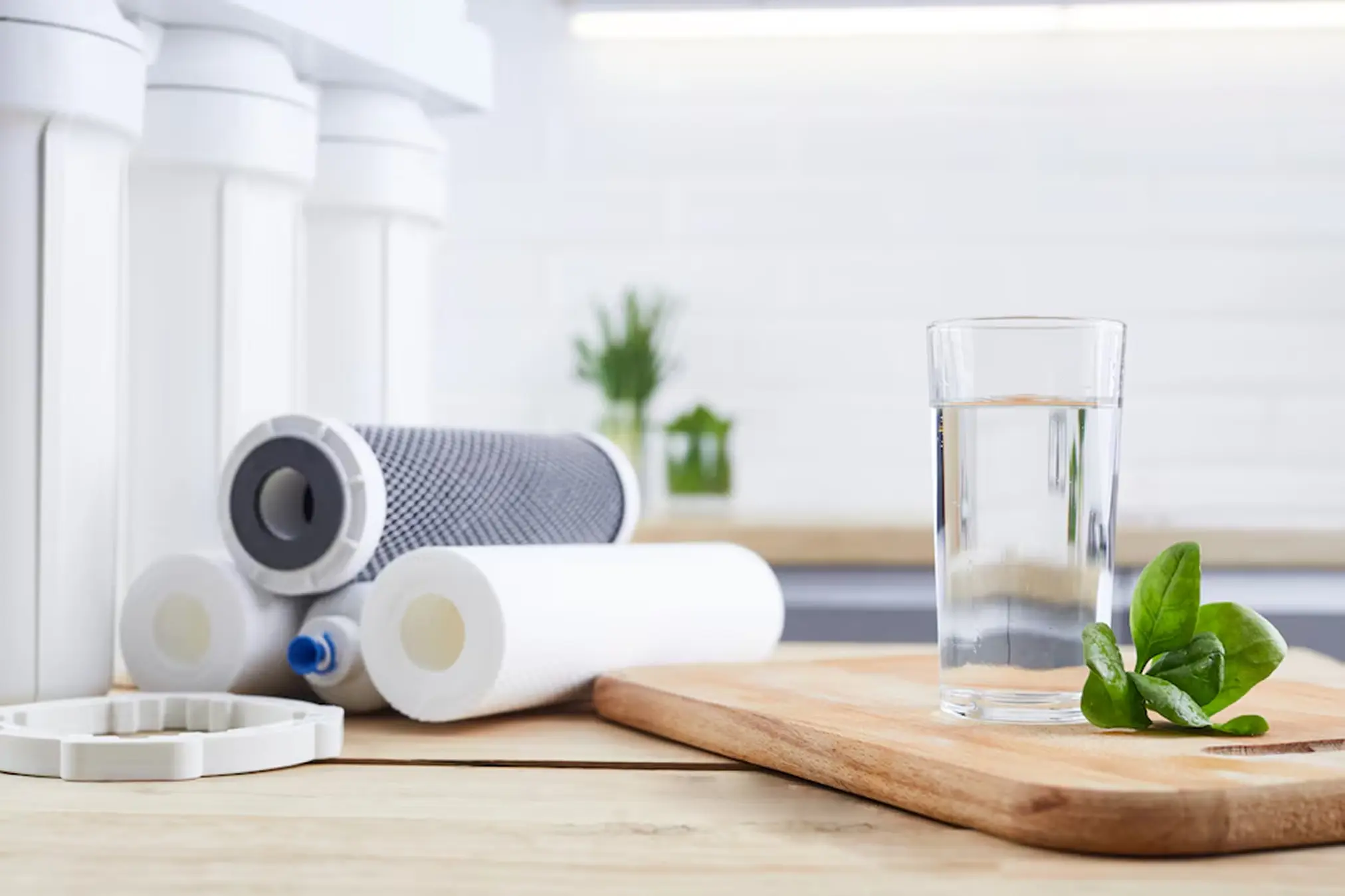
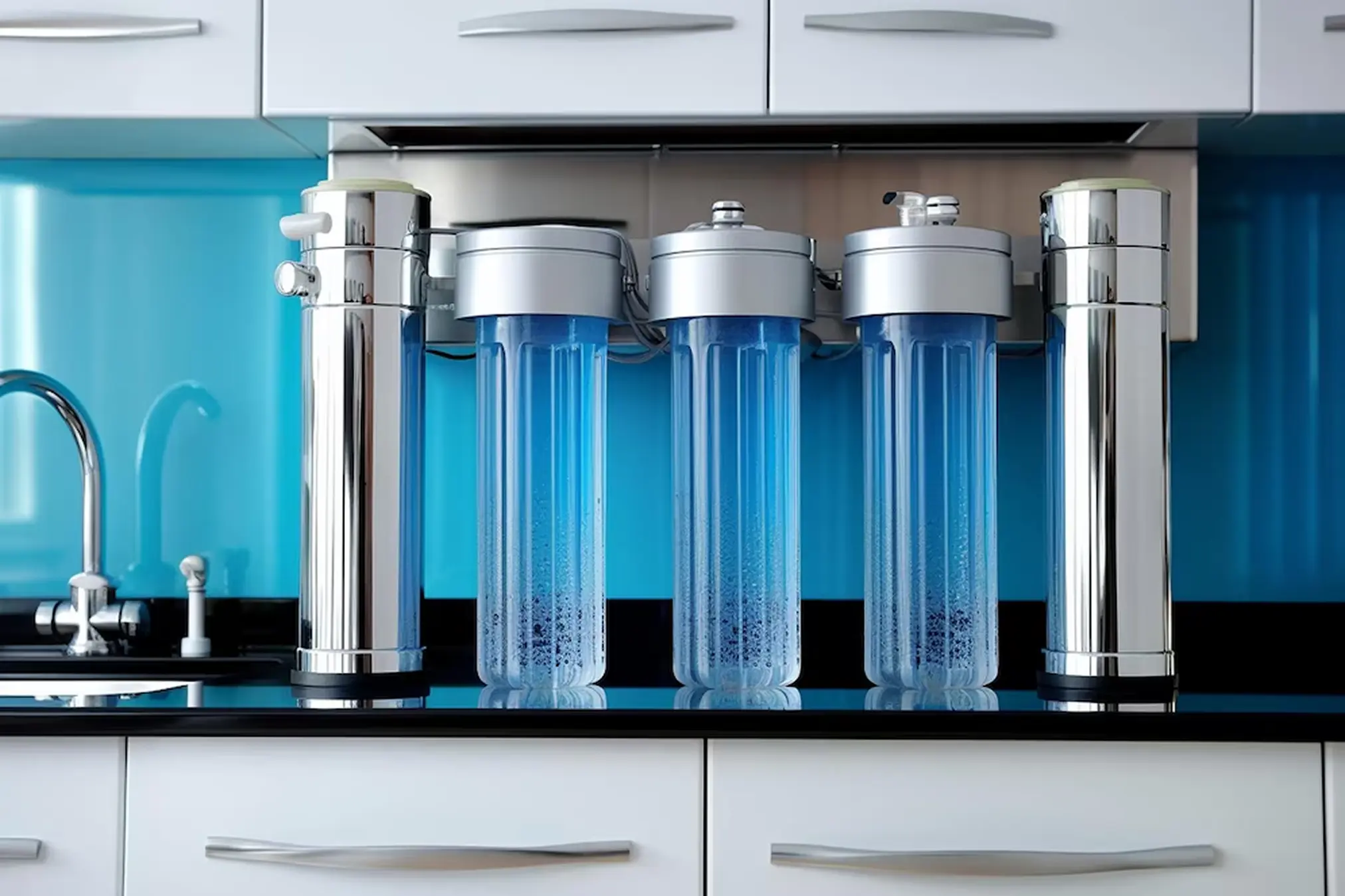
Activated carbon filtration is commonly used because carbon can adsorb many organic compounds. Other treatment technologies may be appropriate when additional contaminant reduction is needed. A point-of-use system can focus on water used for drinking and cooking, while a whole-house system can treat water as it enters the home.
Choosing the right system is important because no single filter is designed to remove every possible contaminant. The goal should be to match the filtration technology with the water-quality issue being addressed.
Know Your Water Before Choosing a Filter
Testing or reviewing available water-quality information can help homeowners make more informed filtration decisions. Municipal water supplies and private wells can have different characteristics, and existing treatment should also be considered before installing additional equipment.
When evaluating a water filtration system, homeowners should consider:
Water source: Identify whether the property receives municipal water or uses a private well.
Existing treatment: Understand what treatment is already provided before water reaches the home.
Target contaminants: Select filtration technology based on the specific substances of concern.
System capacity: Consider household size and daily water consumption.
Maintenance: Replace filters and perform recommended maintenance on schedule.
This approach can help prevent homeowners from choosing a system based only on general claims and instead focus on their actual water-treatment needs.
Taking a Practical Approach to Water Quality
Reducing pharmaceutical residues in the environment requires responsible medication disposal, effective wastewater treatment, regular monitoring, and continued research. Homeowners can contribute by disposing of unused medications properly and learning more about their local water supply.
For households seeking an additional layer of treatment, a properly selected and maintained filtration system may help address specific water-quality concerns. Understanding the water source, identifying potential contaminants, and selecting appropriate technology are important steps toward making a practical decision about household water treatment.
As awareness of emerging contaminants continues to increase, staying informed can help families better understand the water entering their homes and the treatment options available to them.
For questions about pharmaceutical residues, water filtration options, or available services, contact Allini Water Filters of Florida at 954-449-6228 or email info@alliniwaterfilters.com. Our team can help you understand suitable water-treatment solutions based on your home’s specific water-quality needs and concerns.



 Facebook
 Twitter
 Pinterest