How Bio-ceramics Can Support Everyday Water Use
Hard water can create challenges in many parts of a property. Mineral deposits may appear around faucets, showerheads, sinks, and other fixtures. Over time, these deposits can make surfaces more difficult to clean and may affect the appearance of plumbing components.
Bio-ceramic technology provides a different way to approach these concerns by focusing on the behavior of minerals rather than simply removing them from the water. This can make it a useful consideration for homeowners who want to manage the effects of hard water while retaining naturally occurring minerals.
Some areas where this approach may be useful include:
- Plumbing systems: Reducing the tendency of mineral deposits to attach to internal surfaces can help support normal water flow.
- Water-using appliances: Managing scale formation may help appliances operate with fewer mineral deposits.
- Bathroom fixtures: Less surface buildup can make faucets and shower areas easier to maintain.
- Kitchen areas: Conditioned water can be used throughout everyday kitchen activities without relying on chemical softening.
- Whole-home water treatment: Bio-ceramic technology can be considered as part of a broader water treatment strategy.
Potential Benefits for Homeowners
Choosing a water treatment system is not only about the type of technology used. Homeowners also need to consider maintenance, operating requirements, water conditions, and the needs of the property.
A bio-ceramic approach can be appealing to people looking for a solution that does not depend on constantly removing minerals from their water.
Key points to consider include:
- It works with the existing mineral content of water.
- It can provide an alternative to traditional chemical-based softening.
- It focuses on managing mineral deposits rather than completely eliminating hardness.
- It may reduce the visible effects associated with scale.
- It can complement other water treatment technologies when designed as part of a complete system.
Bio-ceramics and Plumbing Protection
Mineral deposits can gradually accumulate inside plumbing and on water-contact surfaces. When buildup becomes significant, it can affect water flow and contribute to maintenance concerns. Appliances that regularly use hot water can also be affected because heating can encourage mineral precipitation.
By influencing the way calcium carbonate crystals develop, bio-ceramic systems are intended to reduce their tendency to attach to surfaces. This makes the technology particularly interesting for properties where scale management is an ongoing concern.
However, water conditions can vary considerably from one location to another. The appropriate treatment approach should therefore be based on the actual characteristics of the water and the needs of the property.
Choosing the Right Water Treatment Approach
There is no single water treatment method that is suitable for every property. Factors such as water chemistry, hardness level, plumbing design, household usage, and specific water concerns can all affect the choice of technology.
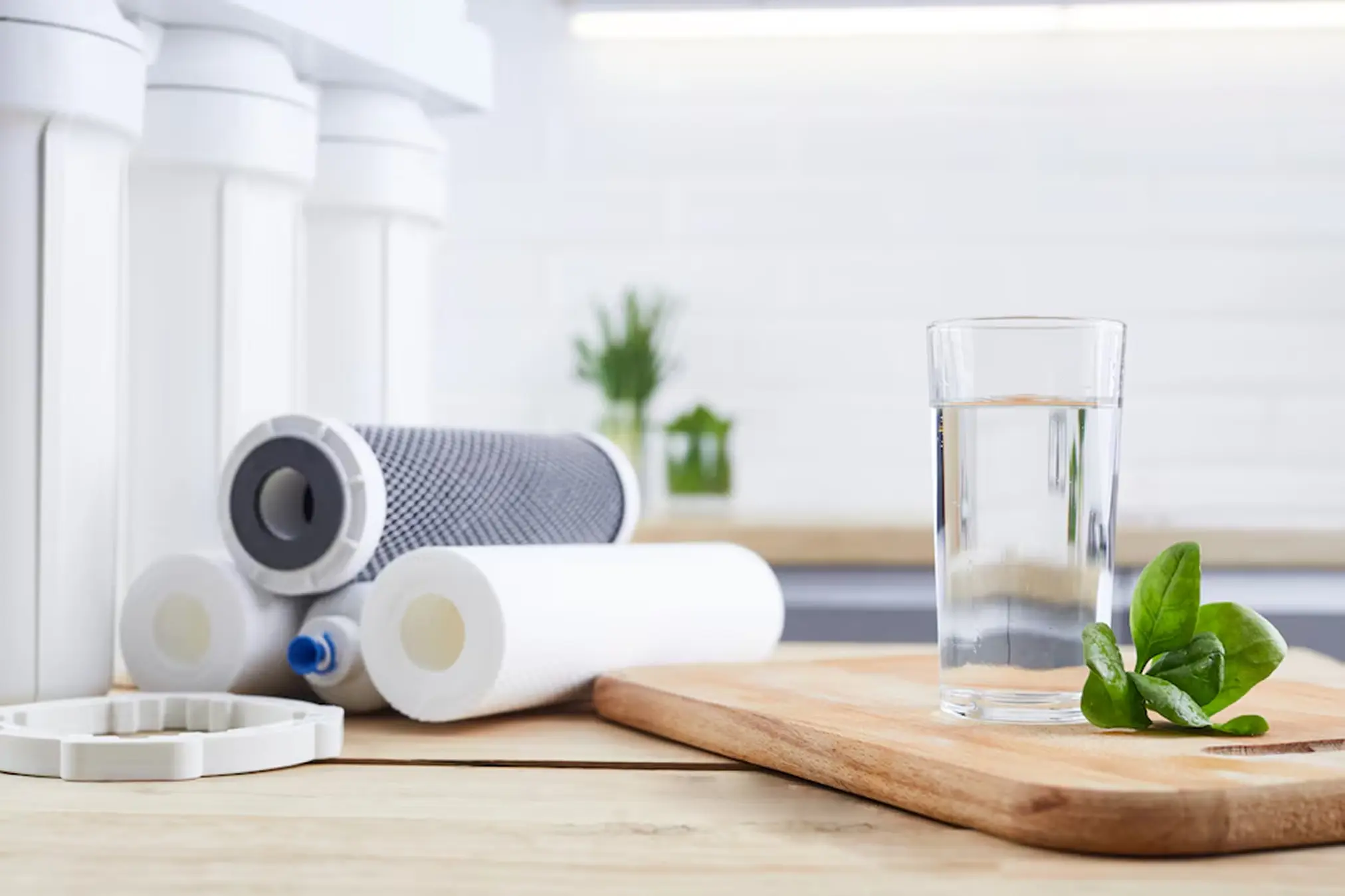
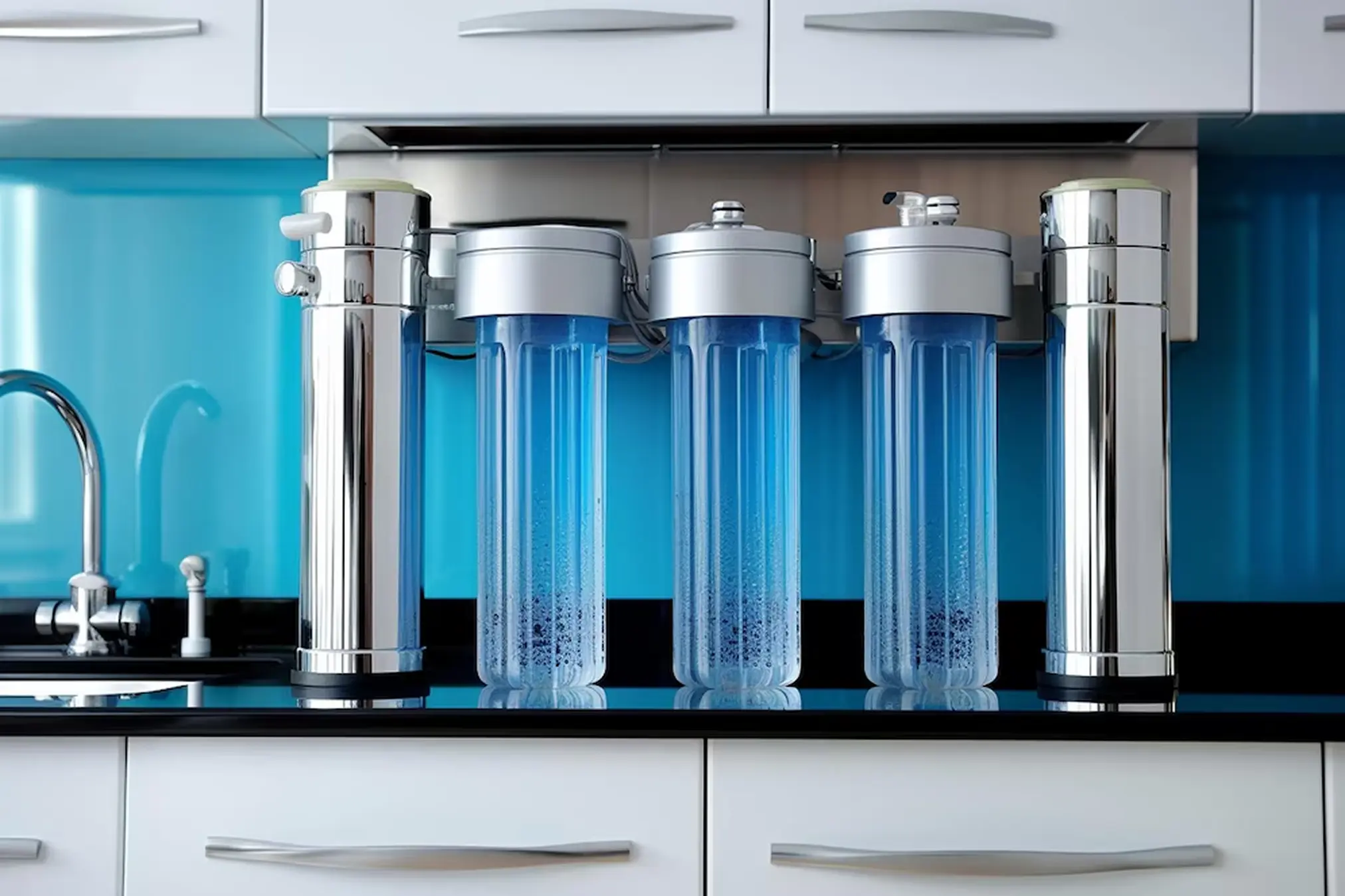
Before selecting a Water Filter system, homeowners may want to consider:
- What minerals or contaminants are present in the water?
- Is scale the primary concern?
- How much water does the property use each day?
- Are there existing issues with plumbing or appliances?
- How much maintenance is acceptable?
- Is preserving naturally occurring minerals important?
A professional water assessment can help identify the most suitable approach. Understanding the water first allows treatment equipment to be selected based on actual requirements rather than relying on a one-size-fits-all solution.
A Practical View of Bio-ceramic Technology
Bio-ceramics offer an interesting approach to water conditioning by changing how certain minerals interact within water. Instead of treating hardness only through mineral removal, this technology focuses on reducing the tendency of calcium carbonate to form deposits on surfaces.
For homeowners exploring modern water treatment options, understanding this distinction can make it easier to compare different solutions. The goal is to find an approach that supports plumbing performance, simplifies maintenance, and fits the property’s water quality needs.
For queries and water treatment services, contact us at 954-449-6228 or email info@alliniwaterfilters.com. Allini Water Filters of Florida is here to help you explore suitable water filtration and conditioning solutions for your home or property.



 Facebook
 Twitter
 Pinterest