Why the Cheapest Water Filtration System Isn’t Always the Best Investment
When shopping for a whole-home water filtration system, it’s natural to compare prices. With so many companies offering similar-looking equipment and promising cleaner, better-quality water,
the lowest quote can be tempting.
But here’s something many homeowners don’t realize: The initial purchase price is only one part of what a water filtration system will actually cost over its lifetime.
A system that costs less today could end up costing significantly more over the next five to ten years.
Understanding what’s inside the equipment, how frequently it needs maintenance, and the
company standing behind it can make all the difference.
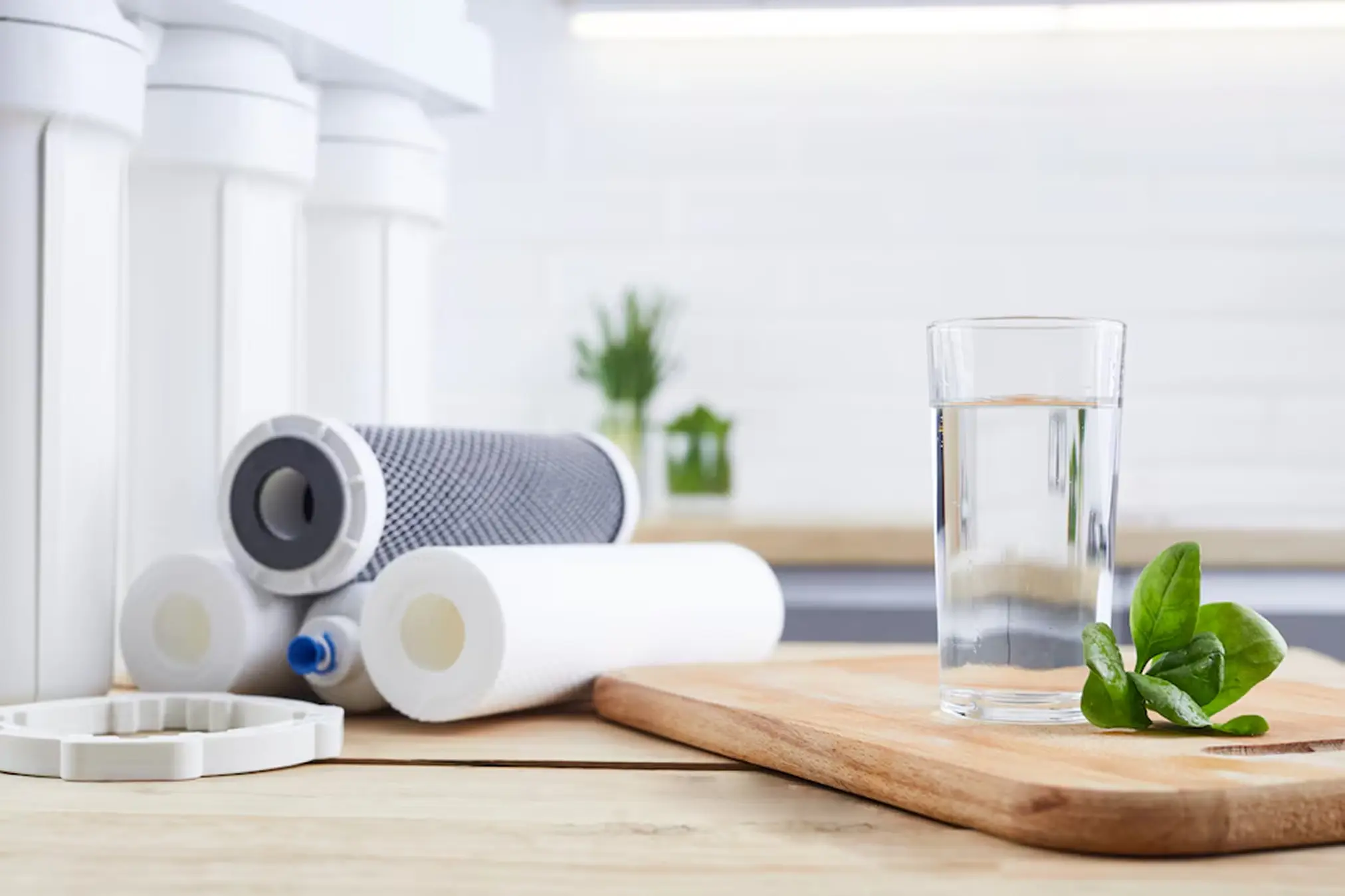
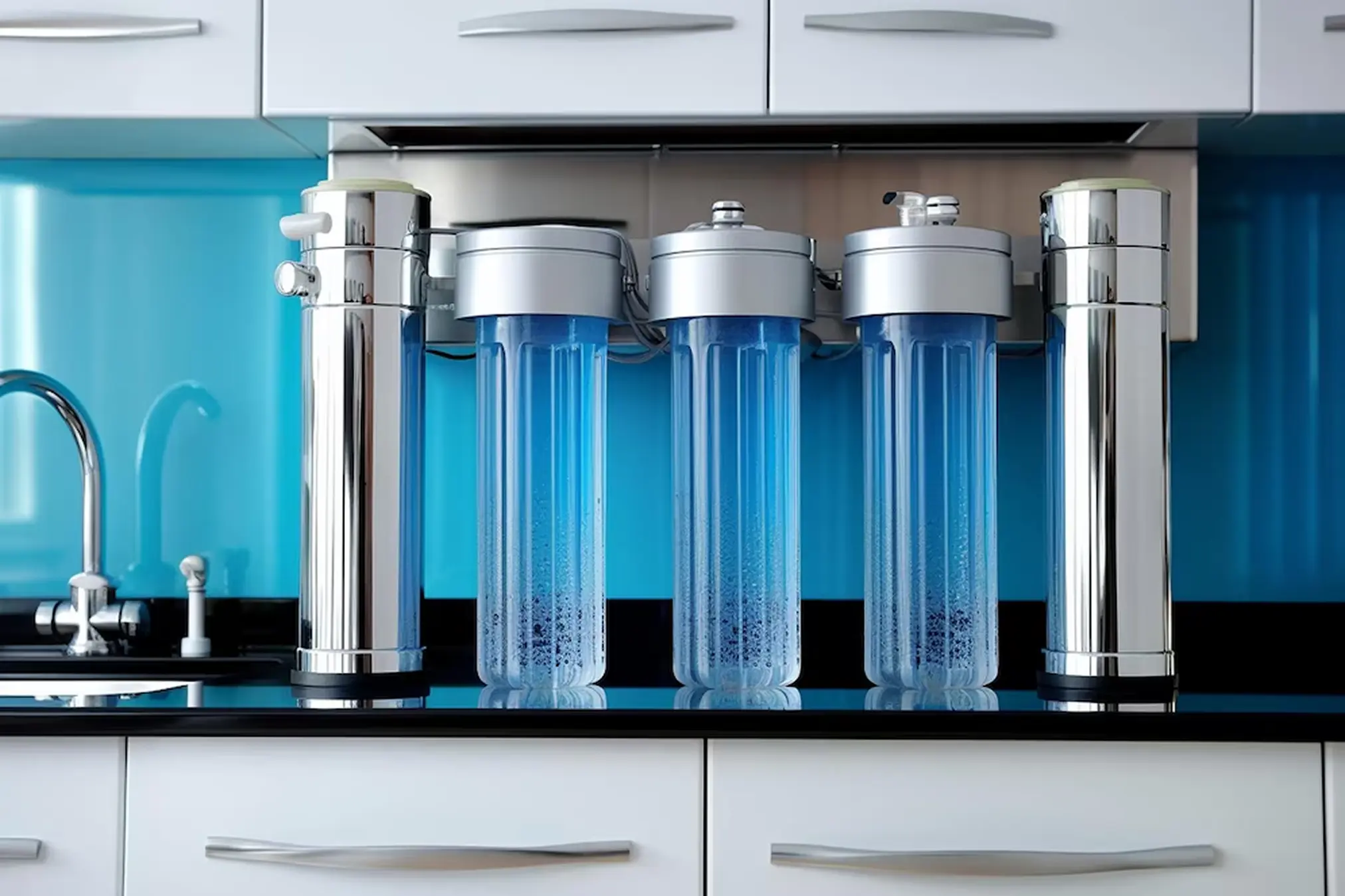
What’s Really Inside Your Water Filtration System?
Two filtration systems may look nearly identical on the outside but perform very differently.
The type, quality, and quantity of filtration media inside the tank play an important role in
contaminant reduction, treatment capacity, and overall performance.
For example, a system containing a larger volume of quality catalytic carbon may provide greater treatment capacity than a smaller system, depending on the specific media, water conditions, and flow rates. A lot of companies with lower cost carbon systems use coconut carbon which is less efficient and does not remove chloramines.
The Hidden Cost of Maintenance
One of the biggest differences between water filtration systems is how frequently they require maintenance.
Some systems need cartridges replaced every few months. Others require annual filter changes or periodic replacement of the media inside the tank.
These recurring expenses can add up over time, especially when service calls and labor are involved.
The lesson in this is to always ask what the system will cost to maintain—not just what it
costs to install.
Quality Components and Certifications Matter
The materials used in a water filtration system are just as important as the filtration technology itself.
When comparing equipment, look for components certified to applicable NSF/ANSI standards. These standards address areas such as drinking-water material safety, lead content, structural integrity, and specific contaminant-reduction performance.
For example, NSF/ANSI/CAN 61 evaluates materials that come into contact with drinking water, while NSF/ANSI 42 addresses specific aesthetic claims, such as chlorine reduction.
It’s important to distinguish between certified individual components and a completely certified filtration system. Ask your provider to explain exactly what is certified and what independent testing supports its performance claims.
A lower price should never be the only consideration when evaluating equipment quality.
Consider the Company Behind the Equipment
A water filtration system is a long-term investment, and the company installing it should be part of that decision.
What happens when the system needs maintenance four or five years from now? Will the company still be servicing your area? Will replacement parts and media be readily available?
Experience, an established local service team, and a history of supporting customers are valuable considerations.
A warranty is important, but so is knowing there’s a knowledgeable company behind it.
Making a Smarter Long-Term Investment
Before choosing a filtration system, compare the complete picture: initial price, filtration
capabilities, equipment quality, media lifespan, maintenance expenses, certifications, and
service support.
A quality system should be properly sized for your property, designed for your specific water conditions, and supported by a company that can explain exactly what you’re purchasing.
The best value isn’t always the lowest price. It’s the system that delivers the right
treatment, dependable performance, and reasonable ownership costs over time.
Allini Water Filters of Florida



 Facebook
 Twitter
 Pinterest