PFAS Contamination in Biscayne Bay, Florida: A Cause for Concern
by
Jenn Zappier November 21
Views
3854
Shares
996K
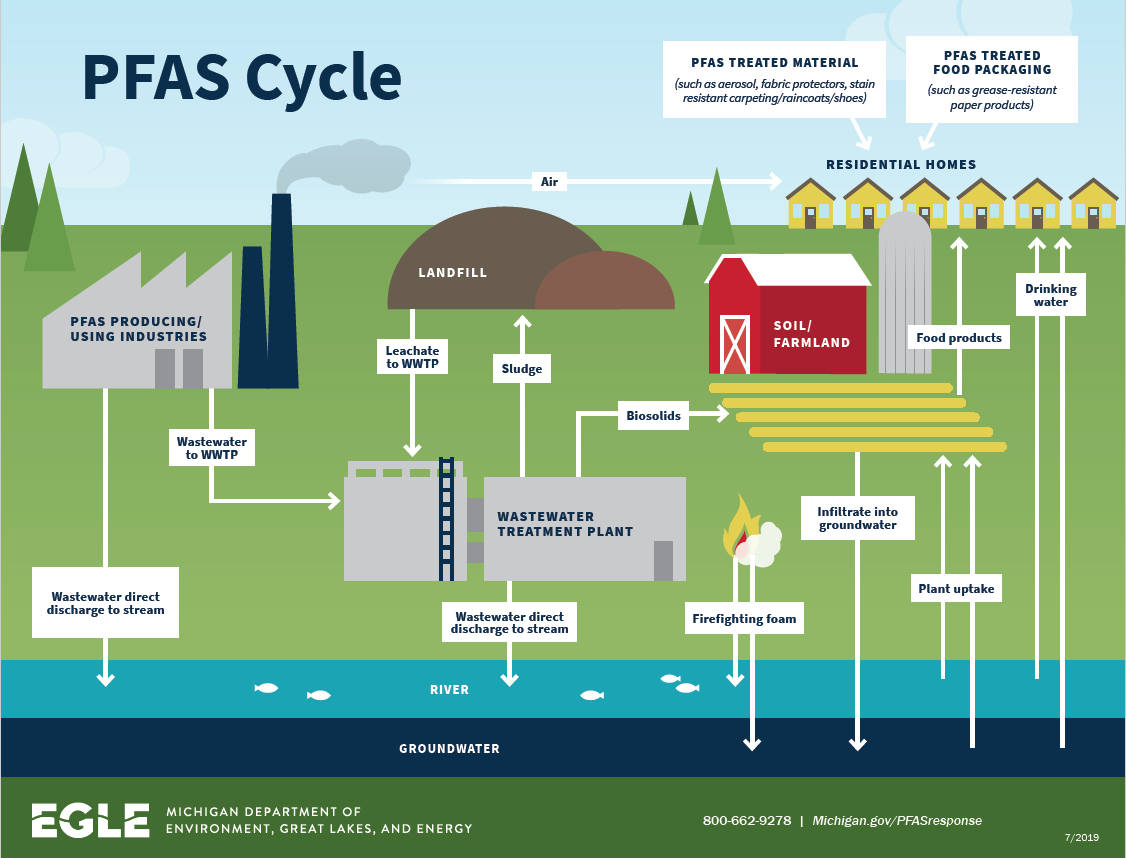
Per- and polyfluoroalkyl substances (PFAS), also known as “forever chemicals,” are a group of man-made chemicals that are resistant to degradation and can accumulate in the environment. These chemicals are found in a wide range of products. Including nonstick cookware, water-repellent clothing, failing septic systems, wash off airport runways, farm fields, and firefighting foam.
Sources of PFAS Contamination
PFAS can enter Biscayne Bay through a variety of sources, including:
Sewage treatment plants: PFAS are not effectively removed by wastewater treatment processes. Can be discharged into waterways.
Stormwater runoff: PFAS from contaminated surfaces, such as roads and parking lots, can be washed into waterways during rain events.
Atmospheric deposition: PFAS can be transported over long distances in the atmosphere. Then gets deposited onto land and water surfaces.
PFAS Risks to the Environment and Human Health
PFAS have been linked to a number of adverse health effects, including:
Immune system suppression: PFAS can weaken the immune system, making people more susceptible to infections.
Liver damage: PFAS can damage the liver, increasing the risk of liver disease.
Reproductive problems: PFAS can interfere with hormone production and can lead to reproductive problems, such as infertility.
Cancer: PFAS have been linked to an increased risk of certain types of cancer. Including kidney cancer and testicular cancer.
Current PFAS Regulations and Recommendations
There are currently no federal regulations for PFAS in drinking water. However, some states have set their own advisory levels. The Environmental Protection Agency (EPA) is currently considering setting a national drinking water standard for PFAS.
People can reduce their exposure to PFAS by taking the following steps:
Avoid products that contain PFAS: Look for products that are labeled as “PFAS-free.”
Filter your drinking water: A reverse osmosis filtration system can remove PFAS from drinking water.
Eat less fish: PFAS can accumulate in fish, so it is important to limit your intake of fish, especially fish from contaminated waterways.
PFAS contamination is a serious environmental and public health concern. More research is needed to fully understand the health effects of PFAS exposure. In the meantime, people can take steps to reduce their exposure to these chemicals. Getting Water Filters for clean and pure water is necessary. Hence people are buying whole home water filters to protect health.
Why PFAS Are So Difficult to Eliminate
One of the biggest challenges with PFAS is the very quality that makes them useful in manufacturing: their chemical stability. The strong carbon-fluorine bonds that give PFAS their nonstick, water-resistant, and heat-resistant properties are also what make them nearly impossible to break down naturally. This means once PFAS enter soil, groundwater, or waterways like Biscayne Bay, they can persist for decades, slowly building up in the environment and in the bodies of people and wildlife exposed to them over time.
Who Is Most at Risk
While everyone can be exposed to PFAS through contaminated water, food, or household products, certain groups face higher risks:
Communities near industrial sites or airports: Areas close to facilities that historically used firefighting foam or PFAS-based manufacturing tend to show higher contamination levels.
Households relying on private wells: Unlike municipal water systems. Private wells are not routinely tested for PFAS, leaving many homeowners unaware of potential exposure.
Children and pregnant individuals: Developing bodies may be more sensitive to the hormone-disrupting effects associated with PFAS exposure.
Frequent seafood consumers: Since PFAS accumulate in fish tissue, those who eat fish regularly, particularly from contaminated waters, may have higher exposure levels.
How Home Filtration Can Help
Because PFAS cannot be removed through boiling or standard filtration methods. Homeowners need systems specifically designed to target these chemicals. Effective options include:
Reverse osmosis systems: These use a fine membrane to filter out PFAS along with other contaminants, making them one of the most reliable household solutions.
Activated carbon filters: When properly maintained, these filters can also reduce PFAS levels, though effectiveness can vary based on filter quality and usage.
Whole-home filtration systems: For households concerned about PFAS throughout their water supply, a whole-home system offers broader protection beyond just drinking water.
Regularly testing your water and maintaining your filtration system are key steps to ensuring long-term protection against PFAS and other emerging contaminants.
Protecting your family from PFAS starts with knowing what’s in your water. Allini Water Filters of Florida offers reliable water testing and filtration solutions to help reduce PFAS exposure in your home. Contact us today at 954-449-6228 or email info@alliniwaterfilters.com for more information.



 Facebook
 Twitter
 Pinterest